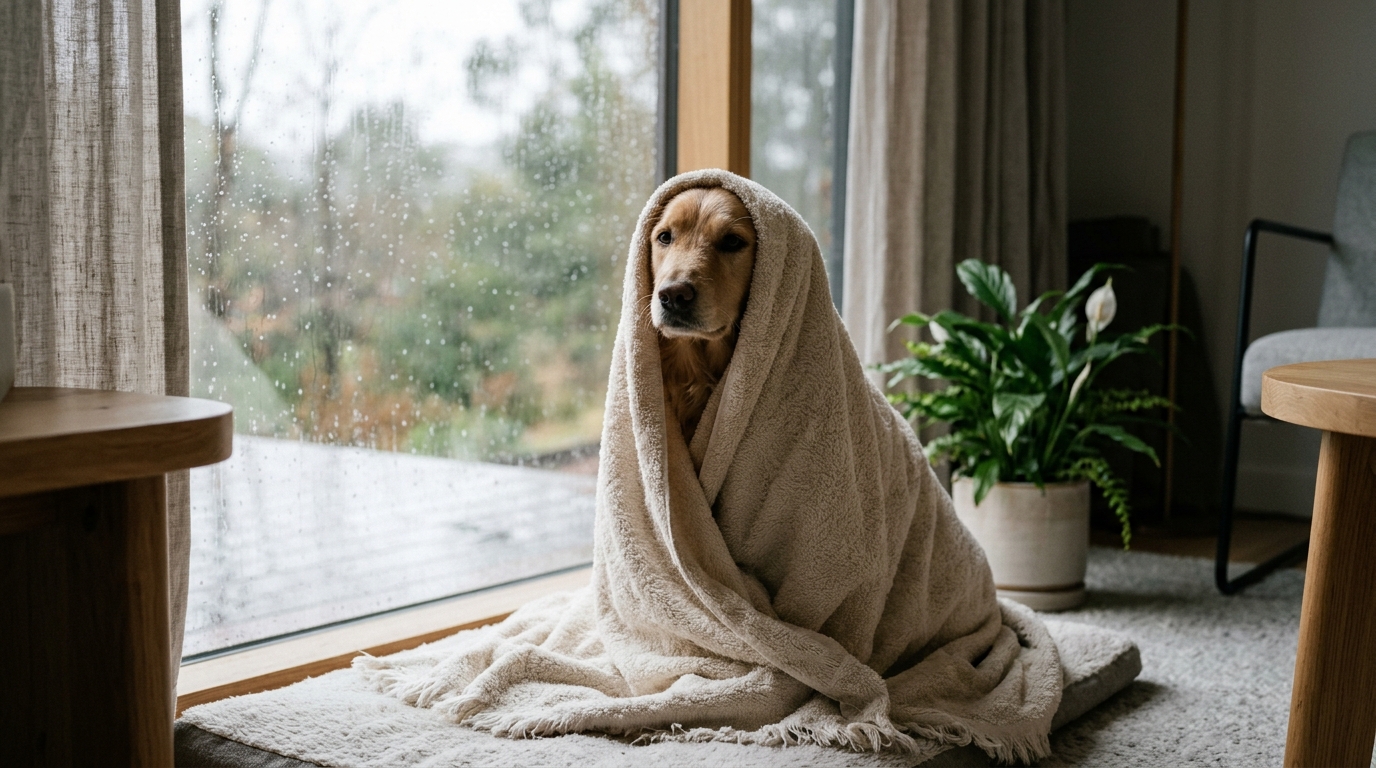
Illustration: Keeping pets warm, clean, and supported with good immunity during the rainy season and seasonal transitions.
As the rainy season and seasonal transitions arrive, drastic temperature changes and high humidity create an ideal environment for viruses, bacteria, and fungi to multiply. At the same time, cold temperatures often cause a slight decline in dogs' and cats' resistance to illness.
Here are some infectious diseases whose cases often increase during the rainy season and which every pet owner should watch out for:
1. Respiratory Infections (Cat Flu and Kennel Cough)
In cats, feline herpesvirus and calicivirus spread easily in humid air, causing sneezing, watery eyes, a runny nose, and mouth ulcers. In dogs, kennel cough is often characterized by a harsh, dry cough, as though something is stuck in the throat.
2. Panleukopenia in Cats and Parvovirus in Dogs
These viruses rapidly attack the digestive tract and immune system, especially in young animals or those that have not completed their vaccinations. The main signs include repeated vomiting, diarrhea that often has a foul or fishy smell or contains blood, high fever, and severe dehydration. These viruses are very resilient in damp environments and can survive on surfaces for months.
3. Leptospirosis in Dogs
Rainwater puddles or wet areas of the yard may be contaminated with urine from rats carrying Leptospira bacteria. Dogs that like sniffing wet ground or playing in puddles are at risk of infection. This disease is dangerous because it can damage the kidneys and liver, and it is zoonotic, meaning it can spread to humans.
4. Fungal Skin Infections (Ringworm)
High humidity makes it difficult for an animal's coat to dry completely after exposure to water or sweat. Damp skin encourages fungal growth, characterized by circular patches of hair loss, scaly skin, redness, and itching.
Tips for Keeping Pets Healthy During the Rainy Season
You can reduce the risk of transmission of these seasonal diseases with simple preventive steps:
• Keep Vaccinations Up to Date: Vaccines offer the most effective protection against serious viruses such as parvovirus, distemper, and panleukopenia.
• Dry the Body and Paws After Being Outdoors: After taking your dog for a walk, promptly rinse and dry its paws and coat using a towel and dryer.
• Keep Kennels and Litter Boxes Clean: A clean, dry environment inhibits the growth of fungi and bacteria.
• Provide Nutrition and Immune Support: Always provide clean drinking water, and consult a veterinarian about vitamins to support your pet's resistance to illness.
Act Quickly When Your Pet Shows Symptoms
If your pet begins showing repeated sneezing, weakness, vomiting, or diarrhea during unsettled weather, arrange an examination at K and P Clinic promptly before the condition worsens.
Address: Jl. Mangkunegoro No.8, Darmo, Wonokromo District, Surabaya
Appointments and WhatsApp consultations: 0816-509-222 | kandpclinic.com